Geppetto’s House
The Adventures of PinocchioGeppetto’s House is a modest ground-floor room that concentrates the story’s contrast between the appearance of comfort and the hardship of daily life. Its few furnishings, tiny window, and painted hearth make a close domestic setting for Pinocchio’s creation and first return, while the food and warmth the room seems to promise are repeatedly shown to be precarious. The house is both a shelter and the place where Geppetto’s care acquires its clearest material form.
Setting and Material Conditions
The house is a small room on the ground floor, with a tiny window beneath the stairway. Its furnishings are sparse and worn: a very old chair, a rickety bed, and a tumble-down table. The description calls the room neat and comfortable, but its comfort is measured against poverty rather than abundance. The little space is orderly enough to be a home, yet its objects show how little Geppetto owns.
Opposite the door, a fireplace and a pot are painted on the wall. The painted pot appears to boil and send up clouds resembling real steam, offering an image of food and warmth without establishing that either is available in reality. That image becomes a pointed counterweight to the story’s bodily necessities: Pinocchio is hungry, and his feet are burned after he falls asleep with them on the stove. The room’s decorative hearth suggests domestic plenty, while the events there expose how quickly hunger and danger intrude on that suggestion.
The Place of Pinocchio’s Creation
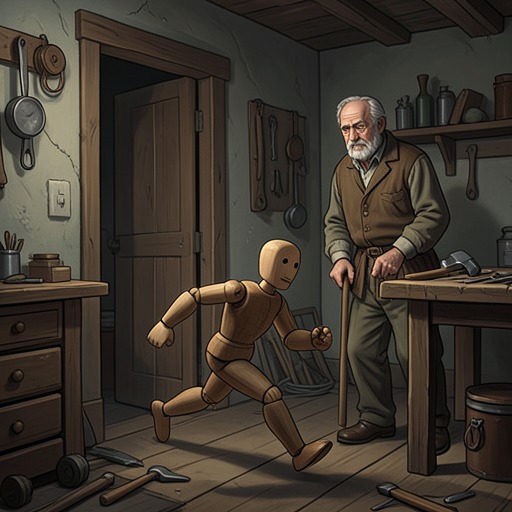
Geppetto brings his tools into the room and begins carving the wood into a Marionette. The house therefore holds the first shaping of Pinocchio as well as the ordinary objects of its maker’s life. Geppetto chooses the name Pinocchio and jokes that the name will bring fortune, although the family of Pinocchios he recalls includes a richest member who begged for a living. The humor fits a household where hopes of prosperity are voiced amid plainly visible scarcity.
The act of carving does not remain entirely under Geppetto’s control. As he works on the Marionette’s hair, forehead, and eyes, he sees the eyes move and stare at him, and feels insulted. In this small room, a familiar craft becomes the beginning of an unsettling relationship: Geppetto is making a childlike figure, but the figure’s first signs of life appear before he can direct them. The house is thus not merely a backdrop to Pinocchio’s origin; it is the enclosed domestic space in which the maker’s work turns unexpectedly into a new presence.
Refuge, Return, and Care
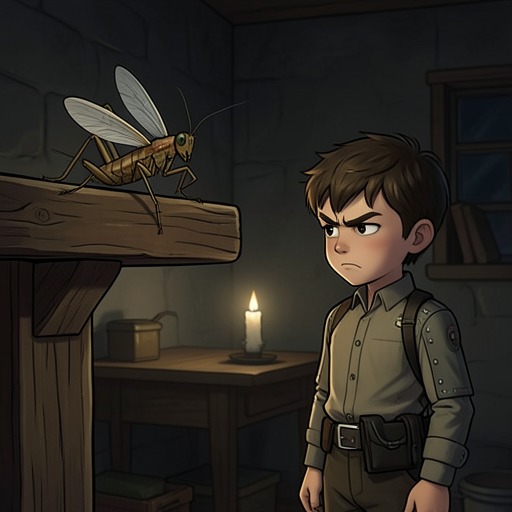
After Geppetto is taken to prison, Pinocchio reaches the house, finds its door half open, slips into the room, locks the door, and throws himself onto the floor, pleased to have escaped. The gesture makes the house seem like a refuge from the immediate pursuit. That relief lasts only briefly: Pinocchio hears the Talking Cricket, and the quiet room becomes the setting for the advice he has resisted. The shelter does not remove him from the consequences of his choices; it brings him face to face with correction.
The next return is marked by physical injury. Still half asleep and unaware that his feet have burned away, Pinocchio jumps up to open the door when he hears his father’s voice, then staggers and falls. The house’s threshold joins reunion to the immediate evidence of harm: Geppetto is outside calling to be let in, while Pinocchio cannot reach the door without discovering what has happened to him. The room that sheltered his escape now makes his vulnerability impossible to ignore.
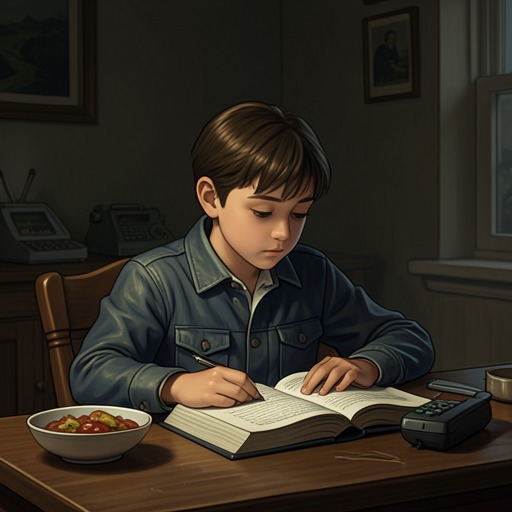
Geppetto’s response turns the same poor household into a place of care. Understanding little of Pinocchio’s confused account but recognizing that he is hungry, Geppetto offers the three pears he had kept for his own breakfast. Pinocchio asks him to peel them. The exchange is small and concrete: care means giving up one’s meal, and the child’s need is answered from the scant provisions available. Later, after selling his coat to buy Pinocchio a schoolbook, Geppetto sits at home in his shirt sleeves, shivering with cold. The house gathers these costs into a domestic picture of parental devotion—not as a grand declaration, but as food surrendered and clothing gone.
Narrative Significance
The house’s importance lies in the way its limited space repeatedly turns abstract hopes and lessons into visible circumstances. Its painted hearth evokes warmth, but Pinocchio’s hunger and burned feet reveal the distance between an image of comfort and bodily need. Its door offers temporary safety, yet the Talking Cricket’s presence and Geppetto’s return bring judgment and responsibility across the threshold. The same room accommodates creation, escape, injury, and feeding, so domestic life is neither an uncomplicated haven nor a mere setting for misadventure.
Geppetto’s House also makes paternal care legible through objects and actions tied to poverty. Geppetto carves Pinocchio with his tools, gives up his pears when Pinocchio is hungry, and later bears the cold after selling his coat for the schoolbook. These gestures connect the room’s worn furnishings to the sacrifices made within it. The house is small, but its recurring function is substantial: it is where Pinocchio’s dependence on Geppetto becomes tangible, and where the story’s concern with care is measured against what the household can actually afford.